The first cohort of AITI Academy 2026 is approaching its conclusion, marking a major milestone in expanding inclusive digital education across Northern Nigeria. Following the success of the Maiduguri AI Advantage Workshop, the Academy was launched as a fully virtual mentorship programme designed to equip young people and women with practical digital skills through accessible, community-driven learning.
This inaugural cohort brought together 91 participants from different communities, many of whom were engaging with structured digital and AI education for the first time.
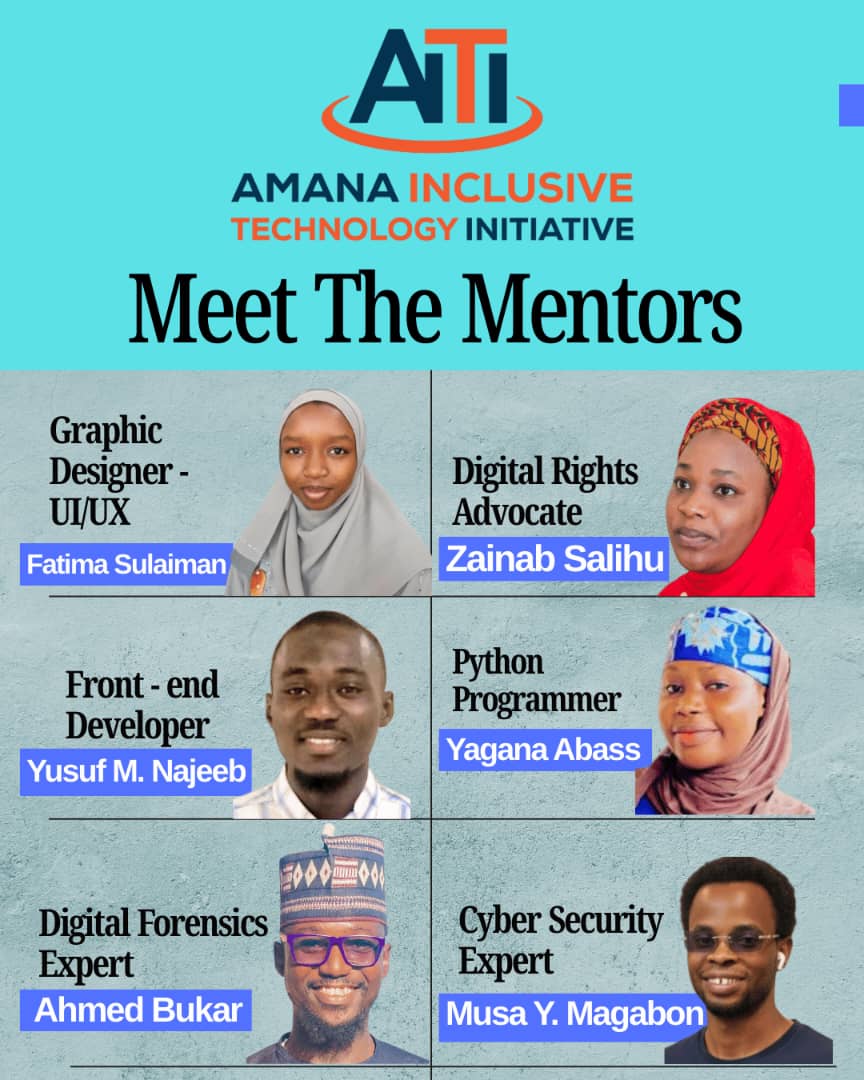
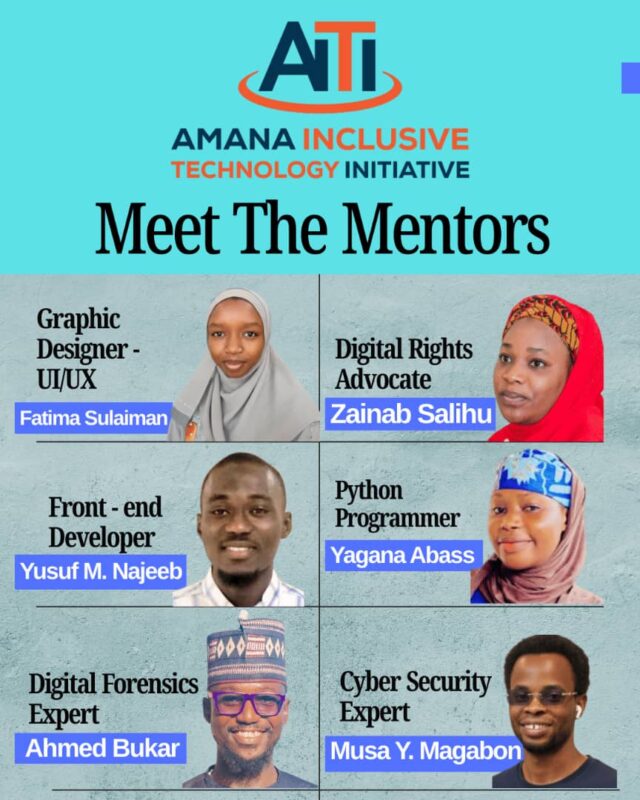
What makes the programme unique is not only the courses it offered, but the way they are taught. Most sessions are delivered in Hausa, with English used where necessary to explain technical concepts and tools. This approach has helped participants understand complex topics in a language they are comfortable with, making learning more inclusive and practical. Through live classes, recorded lessons, and mentorship support, participants were guided by volunteer mentors teaching from different locations across Nigeria.
The Academy offered courses in Artificial Intelligence Basics, Digital Literacy, Online Safety and Security, Python Programming, Freelancing, Digital Entrepreneurship, Tech for Storytelling, and Generative AI Tools. Participants learned how to safely navigate digital spaces, identify online threats, use AI tools responsibly, build online income opportunities, and develop foundational technology skills relevant to today’s economy.
Reflecting on the experience, mentor Zainab Salihu Usman said: “Through our sessions, I watched young people transform into confident and responsible digital citizens who now understand how to protect themselves and others online.” Another mentor, Fatima Sulaiman Muhammad, described the mentorship as deeply fulfilling, noting how participants who initially had little or no understanding of digital tools gradually became more confident and eager to learn.
For many mentors, the experience became more than teaching. It was an opportunity to directly support communities often excluded from emerging technology conversations. Mentors observed remarkable growth in confidence among participants, especially young women who initially felt intimidated by technology and digital tools. By the end of the programme, participants were actively engaging in discussions, completing practical assignments, and applying their new knowledge in real-life situations. One mentor summed up the experience simply: “I didn’t need to travel anywhere. I just needed to show up.”
As AITI Academy 2026 prepares to close its first cohort, the impact already extends beyond the virtual classroom. The programme has shown that language-inclusive mentorship, accessible technology education, and committed volunteer mentors can help bridge the digital divide in Northern Nigeria — even from thousands of kilometres away.